How to Create DIY Natural Makeup
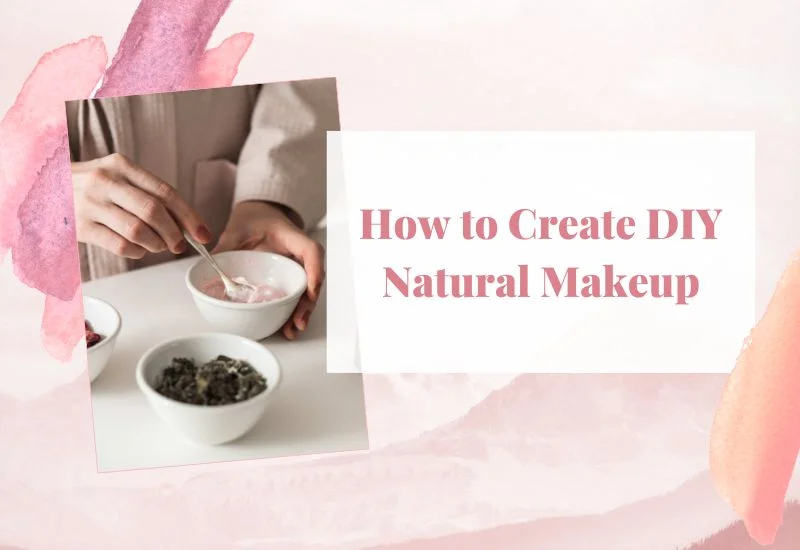
Discover the secrets to creating your own DIY natural makeup with our step-by-step guide. Say goodbye to harsh chemicals and hello to a healthier, more radiant you.
Introduction
Welcome to the world of DIY natural makeup! Whether you’re a beauty enthusiast, environmentally conscious, or simply love to create, DIY natural makeup is a fantastic way to express your creativity while embracing sustainable beauty practices. In this article, we’ll explore the benefits, essential ingredients, skin types, DIY makeup recipes, application tips, safety guidelines, and more to help you embark on your journey to crafting your very own natural makeup. Join us as we delve into the wonderful world of homemade beauty!
The Benefits of DIY Natural Makeup
What is DIY Natural Makeup?
DIY natural makeup refers to the process of creating cosmetics and beauty products using natural, non-toxic ingredients that are easily accessible and free from harmful chemicals. It offers a wholesome, eco-friendly alternative to commercial makeup, allowing you to tailor your products to suit your unique skin needs.
- DIY natural makeup emphasizes the use of ingredients such as cocoa powder, arrowroot powder, shea butter, and essential oils to create various makeup products.
- Using DIY natural makeup can contribute to reducing the exposure to potentially harmful synthetic chemicals commonly found in commercial cosmetics.
- It provides an opportunity to customize makeup products to match individual skin tones, preferences, and skin sensitivities.
- With an emphasis on sustainable and ethical sourcing of ingredients, DIY natural makeup promotes eco-conscious beauty practices.
Benefits of Using DIY Natural Makeup
Using DIY natural makeup presents a myriad of benefits, ranging from environmental considerations to personal well-being. By formulating your own makeup, you have full control over the ingredients, ensuring that they are free from synthetic additives and potentially harmful substances. Additionally, DIY natural makeup promotes sustainability by reducing the reliance on mass-produced cosmetic items and their associated packaging waste.
Creating Your DIY Natural Makeup Kit
Essential Ingredients for DIY Natural Makeup
When it comes to creating your own natural makeup, the proper selection of ingredients is crucial for achieving the desired results. Let’s delve into the essential components that make DIY natural makeup a sustainable and healthy choice for your beauty routine:
- Natural Oils: To provide moisture and nourishment, natural oils such as coconut oil, jojoba oil, and sweet almond oil are commonly used in DIY natural makeup formulations. These oils offer a range of benefits, including hydration, antioxidants, and anti-inflammatory properties.
- Shea Butter: Renowned for its emollient and healing properties, shea butter serves as an excellent base for natural makeup products. Its high concentration of vitamins and fatty acids helps to condition the skin while providing a smooth and creamy texture.
- Arrowroot Powder: This finely-textured powder is a natural alternative to talc and serves as an excellent absorbent in natural makeup formulations. It offers a soft, silky feel and helps to control shine without clogging pores.
- Various Clays: Clays such as kaolin, bentonite, and French green clay are prized for their detoxifying and purifying properties. They are often utilized in natural makeup to absorb excess oil, draw out impurities, and provide natural color tones.
- Natural Pigments: Extracts from fruits, vegetables, and botanical sources offer a palette of vibrant and natural colors for DIY makeup formulations. Ingredients like beetroot powder, spirulina, and cocoa powder allow for the creation of custom shades without the use of synthetic dyes.
By incorporating these wholesome ingredients, DIY natural makeup not only enhances your beauty but also promotes the health of your skin. With their nourishing properties and vibrant colors, these elements empower you to embrace a natural and sustainable approach to cosmetics.
Tools and Equipment Needed for DIY Natural Makeup
When assembling your DIY natural makeup kit, essential tools and equipment play a vital role in the creation process. Items such as glass mixing bowls, dropper bottles, spatulas, and measuring spoons ensure precision and hygiene during formulation. Additionally, invest in quality packaging such as reusable tins and glass jars to store your homemade creations sustainably.
Understanding Skin Types and Tones
Identifying Your Skin Type
Before delving into the world of DIY natural makeup, it’s imperative to identify your skin type to ensure that your homemade products are tailored to meet your skin’s specific needs. Whether you have dry, oily, combination, or sensitive skin, understanding your skin type is the first step to creating personalized makeup solutions.
There are several skin types, each with its own characteristics and requirements. Here are the common skin types:
- Dry Skin: This type of skin tends to be flaky, itchy, and rough. It requires extra moisture and hydration to prevent dry patches and discomfort.
- Oily Skin: Oily skin is characterized by excess sebum production, leading to a shiny or greasy appearance. Proper skincare for oily skin focuses on controlling oil production and preventing acne.
- Combination Skin: Combination skin can be a mix of dry and oily areas, often with an oily T-zone (forehead, nose, and chin) and drier cheeks. Managing combination skin involves addressing the needs of both dry and oily areas.
- Sensitive Skin: This type of skin is prone to irritation, redness, and reactions to certain products or environmental factors. Gentle, non-irritating products are essential for sensitive skin care.
Once you’ve identified your skin type, you can proceed to select the right ingredients and formulations for your DIY natural makeup. Tailoring your beauty products to your skin’s specific needs ensures that you achieve the best results without compromising your skin’s health.
Matching Makeup to Your Skin Tone
Matching makeup to your skin tone is essential for achieving a natural and flattering appearance. Whether you have warm, cool, or neutral undertones, selecting the right shades of foundation, concealer, and other cosmetics enhances the overall finish of your makeup look, complementing your unique skin tone.
- Understanding Your Skin’s Undertone
- Warm Undertones: People with warm undertones have a yellow, peachy, or golden hue to their skin. They look best in makeup shades with yellow or golden undertones.
- Cool Undertones: Individuals with cool undertones have pink, red, or blue tones in their skin. They are complemented by makeup shades with pink or blue undertones.
- Neutral Undertones: Those with neutral undertones have a balance of both warm and cool tones. They can wear a wide range of makeup shades, from soft peaches to cool pinks.
- Choosing the Right Foundation
- Consider the undertone of your skin when choosing a foundation. The foundation should match the undertone of your skin to create a seamless and natural look.
- Testing Colors
- It’s important to test makeup shades on your skin to determine the most flattering options. Many cosmetic stores offer testers that allow you to try out different shades before making a purchase.
- Seek Professional Advice
- If you’re unsure about which makeup shades suit your skin tone, consider seeking the advice of a professional makeup artist. They can provide personalized recommendations based on your unique skin tone and undertones.
- Conclusion
- Matching makeup to your skin tone is a key aspect of creating a polished and harmonious makeup look. Understanding your skin’s undertone and choosing makeup shades that complement it will enhance the overall finish of your makeup, bringing out the best in your natural beauty.
DIY Natural Makeup Recipes for Different Products
DIY Foundation and Concealer
When it comes to creating your own foundation and concealer, the possibilities are endless. By customizing the coverage, texture, and color, you can ensure that the products perfectly match your skin’s exact requirements.
- Customizable Coverage: With DIY foundation and concealer, you have the flexibility to control the coverage, whether you prefer a light, medium, or full coverage look.
- Texture Tailored to You: Utilizing natural ingredients like zinc oxide, cocoa powder, shea butter, and essential oils, you can adjust the texture of your foundation and concealer to your preference, ensuring a seamless, natural finish.
- Color Matching: Achieve the ideal color that matches your unique skin tone with the wide range of natural ingredients available for custom color creation.
Not only do DIY foundation and concealer allow for complete customization, but they also offer various skincare benefits. For example, incorporating ingredients like shea butter and essential oils can provide moisturizing and nourishing properties to your makeup products. Additionally, the use of zinc oxide can act as a natural sunblock, providing added protection for your skin.
DIY Lipsticks and Lip Balms
Creating your own lipsticks and lip balms at home is a fun and rewarding way to customize your makeup collection. These DIY lip products offer a spectrum of colors and nourishing properties derived from natural and sustainable ingredients.
Here are some key ingredients commonly used in DIY lipsticks and lip balms:
- Beeswax: Known for its emollient and protective properties, beeswax forms a natural barrier to help seal in moisture for soft and supple lips.
- Coconut Oil: This versatile oil provides deep hydration and contains fatty acids that nourish and protect the delicate skin of the lips.
- Beetroot Powder: Adds natural color to lip products while offering antioxidant benefits for healthy-looking lips.
- Natural Micas: These mineral pigments are used to achieve a variety of shades in homemade lipsticks and lip balms.
Benefits of DIY lipsticks and lip balms:
- Enhance your natural beauty with custom shades that suit your skin tone and personal style.
- Provide moisturization and protection, keeping your lips soft and healthy.
- Avoid potentially harmful chemicals and synthetic additives often found in commercial lip products.
Creating your own lipsticks and lip balms is a great way to express your creativity while prioritizing the use of natural and eco-friendly ingredients.
DIY Eyeshadows and Eyeliners
- Experimenting with DIY eyeshadows and eyeliners allows you to craft vibrant, long-lasting shades using natural pigments like arrowroot powder, cocoa powder, and mineral-rich micas.
- You can also incorporate botanical extracts and oils to create eyeshadows and eyeliners that are gentle on the delicate skin around your eyes.
- Here are some additional tips for creating DIY eyeshadows and eyeliners:
- Utilize different base ingredients such as shea butter, coconut oil, or almond oil to enhance the texture and nourishing properties of your eyeshadows and eyeliners.
- Experiment with natural colorants like beetroot powder, turmeric, and spirulina to broaden the color range of your DIY eyeshadows and eyeliners.
- Consider adding essential oils such as lavender, rose, or chamomile to infuse your DIY eyeshadows and eyeliners with delightful scents and potential skin-soothing benefits.
Application and Usage Tips for DIY Natural Makeup
How to Apply DIY Natural Makeup
Mastering the art of applying DIY natural makeup is an exciting and creative endeavor. From blending foundations seamlessly to enhancing your eyes with natural eyeliners and eyeshadows, understanding proper application techniques ensures a flawless and radiant makeup look that celebrates your natural beauty.
- Start with a Clean Canvas: Before applying DIY natural makeup, it’s essential to start with a thoroughly cleansed and moisturized face. This sets the foundation for a smooth and even application.
- Choosing the Right Foundation: Selecting the right shade and type of natural foundation is crucial for achieving a seamless look. Whether it’s liquid, powder, or cream foundation, understanding your skin type and undertone is key.
- Enhancing Your Eyes: Explore the world of natural eyeliners and eyeshadows to define and accentuate your eyes. From smoky neutrals to earthy tones, natural eye makeup can bring out the beauty of your eyes without harsh chemicals.
- Nourishing Lip Colors: Opt for natural lip colors and balms that not only enhance your lips’ natural beauty but also nourish and hydrate. Look for ingredients like shea butter, jojoba oil, and natural pigments for a healthy pout.
- Highlighting Natural Features: Embrace the art of contouring and highlighting with natural, plant-based products that accentuate your natural features and add a touch of radiance to your overall look.
Tips for Long-Lasting Makeup
Long-lasting makeup is essential for enduring a full day of activities without the need for frequent touch-ups. Here are some comprehensive tips to help your DIY natural makeup stay fresh and flawless throughout the day:
- Primer Power: Begin with a high-quality natural primer to create a smooth canvas for your makeup and to extend its longevity.
- Layering Technique: Embrace the art of minimalistic layering to build your makeup in thin, even layers, allowing each step to set before proceeding to the next.
- Setting Powder: Opt for a natural setting powder to lock in your makeup, absorb excess oil, and minimize shine without clogging your pores.
- Finishing Spray: Finish your makeup application with a light mist of hydrating facial spray to set and refresh your makeup, keeping it looking vibrant throughout the day.
- Blotting Papers: Keep natural blotting papers on hand to gently absorb any excess oil and maintain a fresh look without disturbing your makeup.
- Touch-Up Kit: Prepare a compact kit with the essential makeup items for quick touch-ups on the go, ensuring your makeup remains impeccable from morning till night.
Safety Guidelines for DIY Natural Makeup
Ensuring Product Safety
When it comes to ensuring the safety of your DIY natural makeup products, there are several key factors to consider. By prioritizing product safety, you can create cosmetics that not only enhance natural beauty but also protect the skin from potential harm. Here are some essential guidelines to follow:
- Use High-Quality Ingredients: Start by sourcing high-quality natural ingredients that are free from harmful chemicals and additives. Look for certified organic products to ensure purity and safety.
- Practice Proper Hygiene: Maintaining cleanliness during the formulation and production of your DIY cosmetics is crucial. Use sanitized utensils, containers, and work surfaces to prevent contamination.
- Implement Storage Best Practices: After crafting your natural makeup products, store them in clean, airtight containers to maintain their longevity and prevent spoilage. Keep them away from direct sunlight and moisture to ensure stability.
- Conduct Patch Tests: Before using a new natural makeup product, always perform a patch test on a small area of skin to check for any adverse reactions. This simple step can help prevent potential allergic responses and skin irritation.
- Microbial Evaluations: Consider conducting microbial evaluations to assess the safety and stability of your DIY cosmetics. This can help identify potential contamination issues and ensure that your products are safe for use.
Allergies and Sensitivities
Understanding allergies and sensitivities is crucial when using DIY natural makeup. Be mindful of common allergens and sensitizing ingredients, and always perform skin patch tests when introducing new formulations. By being aware of potential allergens, you can create makeup that is gentle and suitable for a wide range of skin types.
- Common Allergens and Sensitizing Ingredients
- Performing Skin Patch Tests
- Gentle Makeup for a Wide Range of Skin Types
Conclusion
Embarking on the journey of DIY natural makeup enables you to embrace your creativity, promote sustainability, and personalize your beauty routine. By harnessing the power of natural ingredients and tailored formulations, you can create makeup products that celebrate your individuality while supporting a healthy, eco-conscious lifestyle. We hope this comprehensive guide has inspired you to explore the world of DIY natural makeup, empowering you to craft beauty solutions that resonate with your values and enhance your radiant, natural glow.
