What is the Difference Between Natural and Organic Cosmetics?
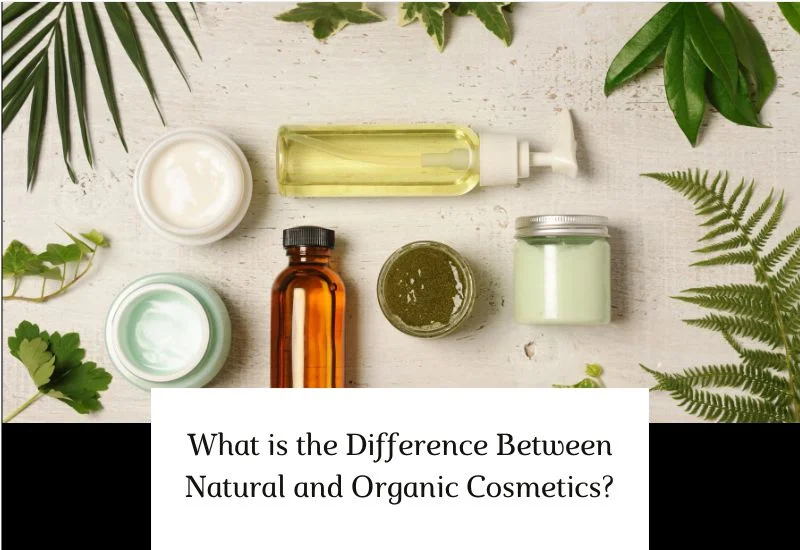
Discover the true meaning behind natural and organic cosmetics and how they differ. Learn about the benefits and ingredients of each for a healthier beauty routine.
Introduction
Welcome to our comprehensive guide to natural and organic cosmetics. In this article, we will delve deep into the fascinating world of natural and organic beauty products, exploring the differences between the two and shedding light on their unique benefits. With the rising interest in sustainable and eco-friendly beauty practices, it’s crucial to understand the distinctions between natural and organic cosmetics to make informed choices for your skincare and beauty routines.
Answering the Question
When it comes to the world of cosmetics, the terms ‘natural’ and ‘organic’ are often used interchangeably, but they actually have distinct meanings and implications. Understanding the differences between the two can help consumers make informed decisions about the products they choose to use. Let’s take a closer look at the key aspects of natural and organic cosmetics.
- Natural Cosmetics: Natural cosmetics are formulated with ingredients derived from plants, minerals, and other naturally occurring substances. They are free from synthetic chemicals, artificial fragrances, and preservatives.
- Organic Cosmetics: Organic cosmetics go a step further by using ingredients that are grown and processed without the use of synthetic pesticides, herbicides, and fertilizers. They are regulated by certification bodies to ensure that the entire production process is environmentally friendly and sustainable.
Exploring Natural Cosmetics
Natural cosmetics are beauty products that are made from natural ingredients derived from plants, minerals, and other natural sources. These products are free from synthetic chemicals and are considered to be more environmentally friendly.
There are various types of natural cosmetics, each offering unique benefits:
- Organic skincare products
- Mineral makeup
- Plant-based haircare
- Essential oils and aromatherapy
- Natural fragrances
Using natural cosmetics has numerous benefits, such as:
- Gentle on the skin and less likely to cause irritation
- Contain vitamins, antioxidants, and essential nutrients for skin and hair health
- Help reduce the risk of allergic reactions and skin sensitivities
- Environmentally friendly and sustainable
Understanding Organic Cosmetics
Organic cosmetics are a natural alternative to chemical-laden beauty products. They are made from organically farmed ingredients that are free from synthetic pesticides, herbicides, and other harmful chemicals. Understanding organic cosmetics involves delving into the composition, benefits, and regulations surrounding these products.
- Organic cosmetics are formulated using plant-based ingredients such as essential oils, natural waxes, and herbal extracts. These ingredients are sourced from organic farms and are processed without the use of synthetic chemicals.
- Unlike conventional cosmetics, organic beauty products do not contain parabens, sulfates, phthalates, or artificial fragrances, making them a safer option for sensitive skin.
One of the crucial aspects of understanding organic cosmetics is knowing the various certifications and regulatory standards. Certifying bodies like USDA Organic, EcoCert, and COSMOS have stringent guidelines for certifying organic beauty products, ensuring that they meet specific organic farming and processing standards.
- Organic cosmetics are gentle on the skin and less likely to cause irritation or allergic reactions due to the absence of harsh chemicals.
- These products are environmentally friendly as they promote sustainable agricultural practices and minimize the use of synthetic chemicals that can harm ecosystems.
- Choosing organic cosmetics supports ethical and transparent supply chains, contributing to the welfare of farmers and the communities involved in the organic farming industry.
Key Differences
Natural cosmetics and organic cosmetics have some key differences that are important to understand when choosing products. Here are some additional details to help clarify these differences:
- Ingredients: Natural cosmetics may contain naturally derived ingredients, but they are not necessarily certified organic. Organic cosmetics, on the other hand, are certified to contain organically farmed ingredients.
- Certification: Organic cosmetics are rigorously certified by recognized organizations to ensure that they meet strict organic standards. Natural cosmetics may not undergo the same level of certification.
- Environmental Impact: Organic cosmetics are committed to sustainable and environmentally friendly practices throughout the entire production process. Natural cosmetics may or may not prioritize sustainability and eco-friendly practices.
These differences highlight the importance of knowing the distinction between natural and organic cosmetics, allowing consumers to make informed choices that align with their values and preferences.
Benefits of Natural Cosmetics
Natural cosmetics offer a wide array of benefits, making them increasingly popular among consumers who are seeking healthier, more sustainable beauty products. Here are some key reasons why natural cosmetics are preferred:
- Natural ingredients: Natural cosmetics are formulated using ingredients sourced from nature, such as plant extracts, essential oils, and minerals. These ingredients are gentle on the skin and are less likely to cause irritation or adverse reactions.
- Avoidance of harmful chemicals: Natural cosmetics are free from harsh chemicals, synthetic fragrances, and artificial dyes that may be detrimental to the skin and overall health. By choosing natural cosmetics, individuals can minimize their exposure to potentially harmful substances.
- Environmental sustainability: Many natural cosmetics are produced using eco-friendly and sustainable practices. This helps to reduce the environmental impact associated with traditional cosmetic manufacturing, making them a more planet-friendly choice.
- Cruelty-free formulations: Natural cosmetics are often cruelty-free, meaning they are not tested on animals. This aligns with the ethical values of many consumers who prioritize products that are not derived from animal testing.
- Boosted skin benefits: The natural ingredients in these cosmetics may offer additional skin benefits, such as hydration, protection, and nourishment. These products can contribute to healthier, radiant-looking skin without the negative effects often associated with synthetic ingredients.
By choosing natural cosmetics, individuals can embrace a beauty routine that is in harmony with nature, while reaping the benefits of healthier and more sustainable options.
Benefits of Organic Cosmetics
Organic cosmetics offer a wide range of benefits that contribute to overall health and well-being. Here are some key points to consider:
- Safe Ingredients: Organic cosmetics are formulated with natural, non-toxic ingredients, free from harmful chemicals and synthetic additives.
- Skin-Friendly: The gentle and nourishing properties of organic cosmetics make them ideal for sensitive skin types, reducing the risk of irritation and allergic reactions.
- Environmental Impact: Choosing organic cosmetics supports sustainable and eco-friendly practices, reducing the environmental impact of conventional beauty products.
- Certified Standards: Organic cosmetics are often certified by reputable organizations, ensuring high-quality and ethical production standards.
Conclusion
In conclusion, the difference between natural and organic cosmetics lies in their ingredients and production processes. While natural cosmetics use ingredients derived from nature, organic cosmetics are made from organically grown ingredients that are free from harmful chemicals and pesticides. Both types of cosmetics offer numerous benefits for our skin and the environment, making them a popular choice among consumers.
Exploring natural cosmetics, we have learned that they are made from plant-based ingredients such as essential oils, herbs, and minerals. These ingredients not only nourish and protect our skin, but also have healing properties that can address various skin concerns. On the other hand, organic cosmetics are produced using ingredients that are grown without the use of synthetic fertilizers and pesticides. This ensures that the final product is free from harmful chemicals, making it safer for our skin and the environment.
In conclusion, whether you choose natural or organic cosmetics, you can rest assured that you are making a healthier and more sustainable choice for your beauty routine. By opting for these types of cosmetics, you are not only taking care of your skin, but also supporting ethical and eco-friendly practices in the beauty industry. So next time you’re shopping for cosmetics, consider going natural or organic for a healthier and more conscious beauty routine.
